We built the tool we couldn't find.
Relevé started in the cultural sector — not as an idea in a pitch deck, but as a problem we lived firsthand. We are not outsiders building for a market we read about. We are building the tool we needed and couldn't find.
The founders

Wynne Teeter
Co-Founder & CEO
Platform Vision · Cultural Sector
Wynne brings two decades of operational leadership and a firsthand understanding of what sustainability reporting actually costs small organizations — in time, capacity, and clarity. As Co-CEO of Maalka, she coordinated over $2 million in awarded US Department of Energy grants, embedded GHG Protocol, GRI, and ISSB frameworks into the working reality of schools, cities, and cultural organizations, and built the operational infrastructure behind a platform serving clients from Goldman Sachs to municipal governments across the US. She now serves as Director of Sustainability at Red Light Arts and Culture — Relevé's first pilot client — meaning the product is being shaped in direct contact with the reality it is meant to serve: the grant cycles, the reporting burdens, the tight margins.
Clay Teeter
Co-Founder & CTO
Platform Architecture · Climate Tech
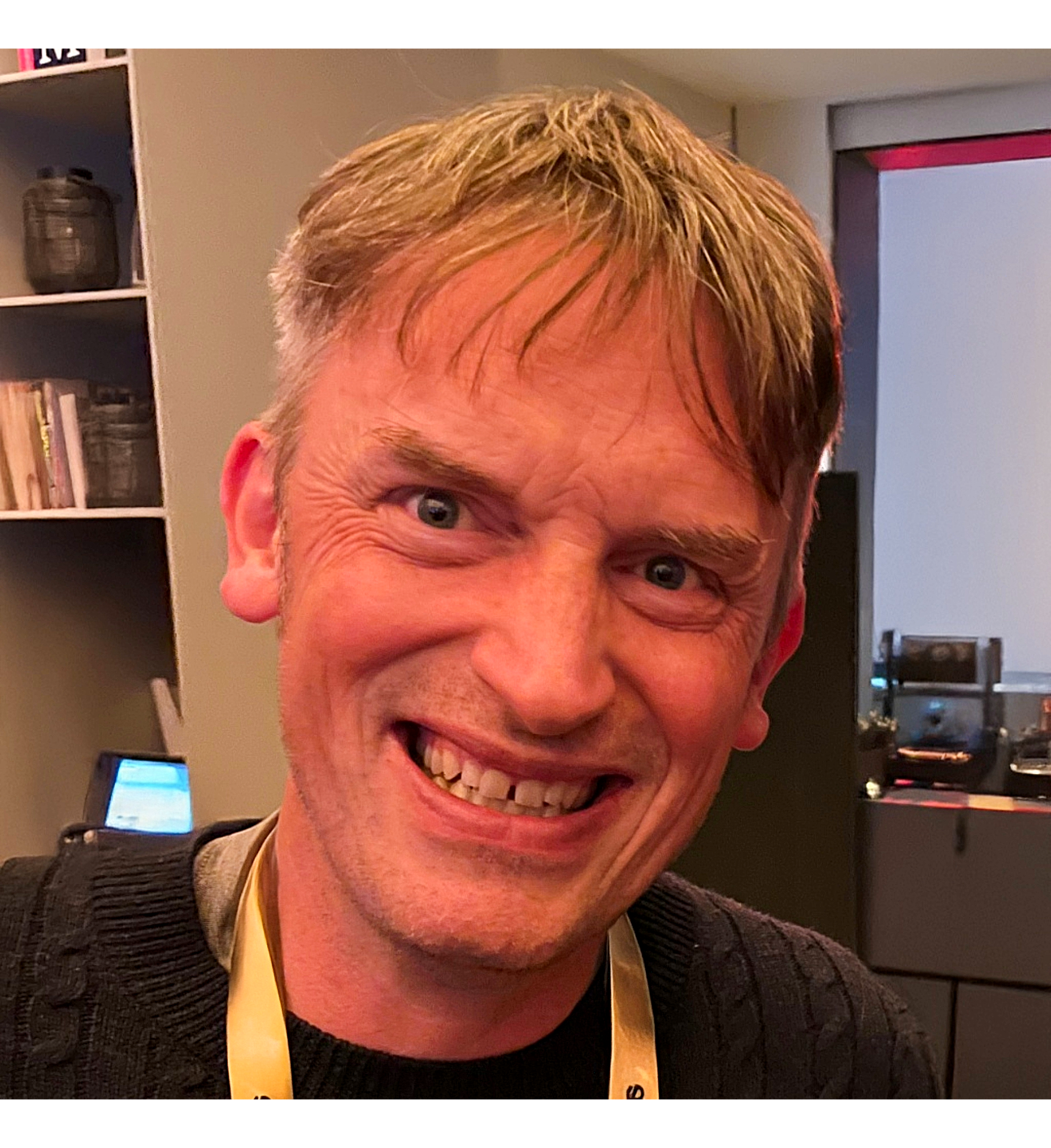
Clay brings the technical architecture: founder of three technology companies, Department of Energy Innovation Fellow, and CTO of Maalka — where he built sustainability data infrastructure serving over one billion data points to investment banks, municipalities, and NGOs globally. He has co-developed tools with DOE, NREL, Architecture 2030, and Climate Positive Design, and received over $5 million in energy and carbon reporting grants. His decade of translating complex sustainability frameworks — VSME, GHG Protocol, ESRS — into software that non-specialists can actually use is the technical foundation Relevé is built on.
The work behind the platform
Before Relevé, we spent a decade building sustainability software for organizations worldwide — from carbon calculators to impact assessment platforms.

Pathfinder
What they do
Climate Positive Design is the initiative behind Pathfinder — a free, web-based life-cycle assessment (LCA) tool for landscape architects and designers. Pathfinder calculates embodied carbon in materials and operational emissions, and models carbon sequestration from plants to help outdoor projects reach the "climate positive" point — where sequestration outpaces emissions.
What we built
We built and maintain the Pathfinder tool, including its carbon analysis engine, sequestration modeling, design optimization features, and Climate Positive Design Scorecard. Version 3.0 (October 2024) expanded the material carbon dataset and added enhanced biodiversity evaluation tools.
Zero Tool & Zero Code
What they do
Architecture 2030 is a nonprofit working to transform the global built environment from a major contributor of greenhouse gas emissions to a central solution to the climate crisis. The Zero Tool and Zero Code are free, publicly available resources used by architects and policymakers worldwide.
What we built
We host and support Architecture 2030's Zero Tool and Zero Code — free online tools used by architects and designers globally to benchmark and reduce the carbon footprint of buildings and communities.

LCA Integration
What they do
TU Delft is one of Europe's leading technical universities, with internationally recognized research in sustainable design, lifecycle assessment, and built environment engineering.
What we built
In collaboration with TU Delft, we are building a product lifecycle assessment (LCA) tool designed for use by students and industry — making rigorous LCA methodology accessible to designers and companies evaluating the environmental footprint of their products.
MIK Platform
What they do
Ursa Science is redefining the laboratory experience through intelligent, connected instrumentation. Founded by scientists and engineers in Santa Fe, New Mexico, Ursa's MIK technology powers the Mars platform — a unified ecosystem designed to evolve alongside research.
What we built
Clay serves as Systems Architect at Ursa, building the software that connects AI with lab equipment. He is the primary architect of MIK — the platform's AI agent — connecting researchers and machine learning models to hardware firmware.
START Platform
What they do
Green Schools Alliance is a global peer-to-peer nonprofit connecting over 8,000 K–12 schools across 48 US states and 88 countries — representing nearly 5 million students — to build healthier, more sustainable, and climate-resilient communities.
What we built
The START platform was built and is maintained by the Relevé team through Maalka, Clay's sustainability data company. The START framework is the direct precursor to Relevé's assessment architecture.